Plumbing Blockage Repair in Denver, CO
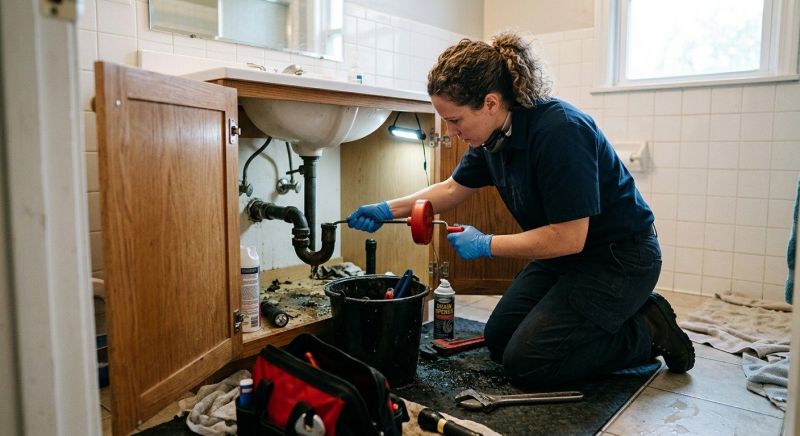
Plumbing blockage repair services address issues where household drains, toilets, or pipes become obstructed, preventing proper water flow. These projects typically involve removing debris, grease buildup, or other obstructions that cause backups or slow drainage. Homeowners often seek this service when experiencing persistent clogs, foul odors, or water backing up in sinks, toilets, or tubs, aiming to restore normal function and prevent further damage to plumbing systems.
Before requesting plumbing blockage repairs, property owners usually want to understand the nature of the blockage, potential causes, and the methods used to clear it. It's helpful to know whether the issue is localized or part of a broader plumbing problem, and if any repairs or pipe replacements might be necessary. Clear communication about the problem’s location, history, and any previous attempts to resolve it can assist in selecting the most effective solution for maintaining a healthy, functional plumbing system.
Many property owners in Denver, CO look into Plumbing Blockage Repair for repairs, replacements, upgrades, and appearance-related improvements.
Common Causes Of Blockages
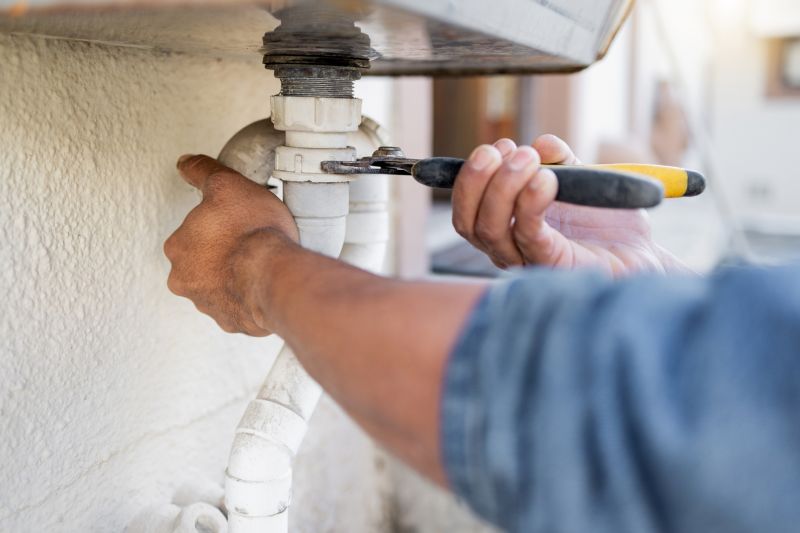
Blockages often result from grease buildup, debris, or foreign objects in drains and pipes.
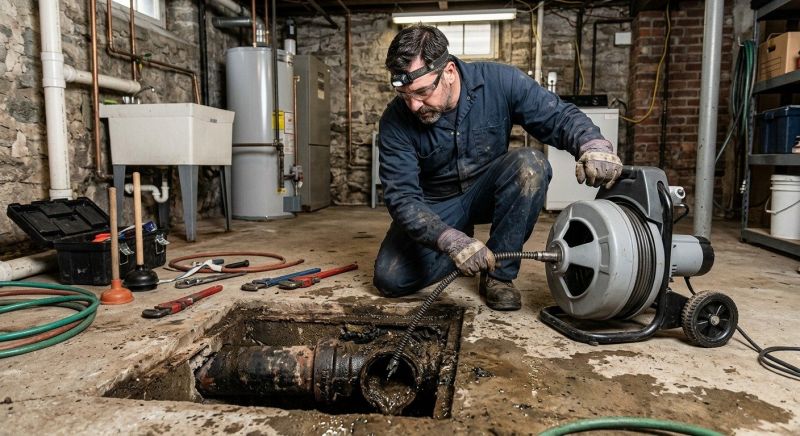
Signs Of Plumbing Obstructions
Slow draining fixtures, gurgling sounds, or foul odors can indicate a blockage in the plumbing system.
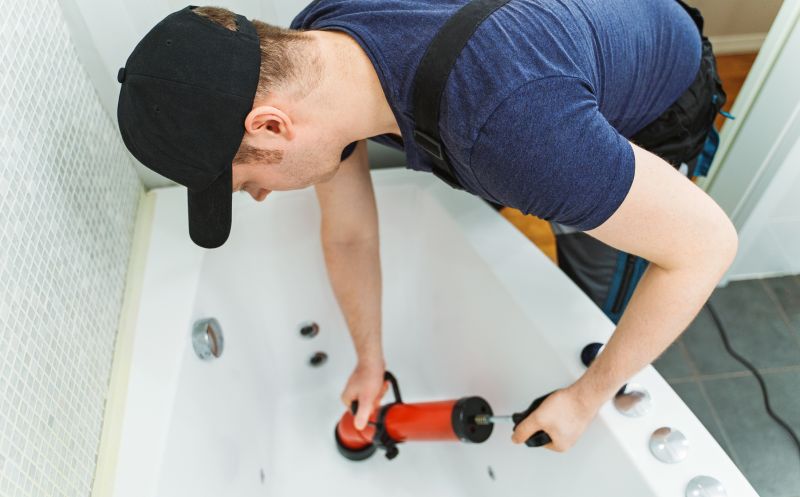
Preventive Maintenance Tips
Regular drain cleaning and mindful disposal of waste can help prevent future clogs in denver homes.
Plumbing Blockage Repair in Denver, CO

Plumbing blockage repair services address issues where household drains, toilets, or pipes become obstructed, preventing proper water flow. These projects typically involve removing debris, grease buildup, or other obstructions that cause backups or slow drainage. Homeowners often seek this service when experiencing persistent clogs, foul odors, or water backing up in sinks, toilets, or tubs, aiming to restore normal function and prevent further damage to plumbing systems.
Before requesting plumbing blockage repairs, property owners usually want to understand the nature of the blockage, potential causes, and the methods used to clear it. It's helpful to know whether the issue is localized or part of a broader plumbing problem, and if any repairs or pipe replacements might be necessary. Clear communication about the problem’s location, history, and any previous attempts to resolve it can assist in selecting the most effective solution for maintaining a healthy, functional plumbing system.
Many property owners in Denver, CO look into Plumbing Blockage Repair for repairs, replacements, upgrades, and appearance-related improvements.
Common Plumbing Blockage Repair Jobs
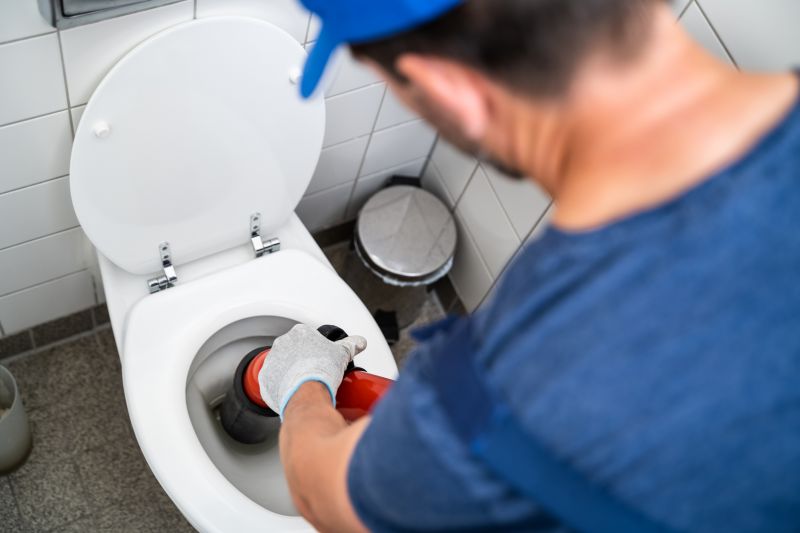
Drain clearing - removing clogs from sinks, toilets, and main lines to restore proper flow.
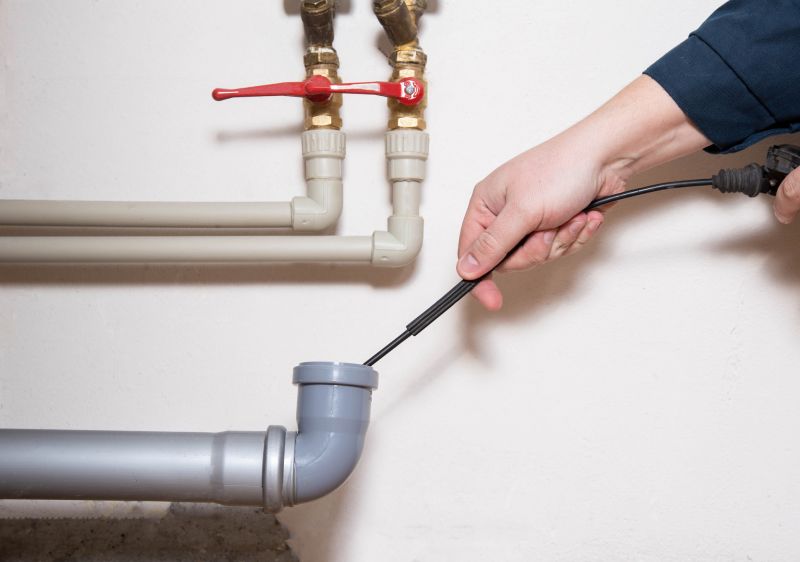
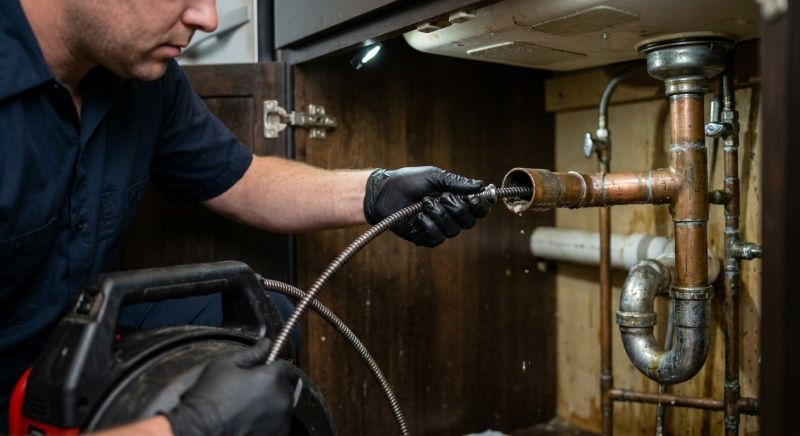
Pipe snaking - using specialized tools to break up stubborn blockages deep within pipes.
Root intrusion removal - eliminating tree roots that invade underground sewer lines.
Camera inspections - diagnosing the cause and location of blockages with video technology.
Pipe repair and replacement - fixing or replacing damaged pipes to prevent future blockages.
Slow drain solutions - addressing minor obstructions before they develop into major issues.
Plumbing Blockage Repair Questions
What causes plumbing blockages? Common causes include grease buildup, hair, soap scum, and foreign objects that can obstruct pipes over time.
How can I tell if I have a blockage? Signs include slow draining sinks or toilets, gurgling sounds, or water backing up in fixtures.
Are drain cleaners effective for blockages? Chemical drain cleaners may provide temporary relief, but persistent issues often require professional inspection and removal.
What should I avoid doing to prevent blockages? Avoid pouring grease down drains, flushing non-flushable items, and using excessive amounts of toilet paper to reduce blockage risk.
Request Plumbing Blockage Repair in Denver, CO
Use the quote form on this page to share the basics of your project and request more information for the type of work you need.